

Why Cook with Turmeric? Color, Flavor, and Simple Nutrition Wins
The golden basics
Cooking with turmeric brings warm, earthy, mildly bitter notes and a naturally vibrant golden hue to weeknight staples. The spice shines when paired with fat and aromatics - think olive oil or ghee with onion, garlic, and ginger - because fat carries its flavor and aromatics balance its bitterness.
Veggies: Toss cauliflower, carrots, or zucchini with oil, turmeric seasoning, and salt; roast until caramelized for color and gentle warmth.
Rice: Stir 1/2–1 teaspoon turmeric into buttered or oiled rice before simmering to infuse a sunny color and subtle flavor.
Soups: Bloom turmeric with your aromatics, then add broth and vegetables for a golden, cozy bowl.
Quick‑start technique: Bloom ground turmeric in oil or ghee for 30–60 seconds over medium heat until fragrant before adding liquids. This releases fat‑soluble flavor compounds and helps the spice disperse evenly. For a simple nutrition win, pair turmeric with black pepper.
"In human volunteers, co-administering 20 mg piperine with 2 g curcumin increased curcumin bioavailability by about 2000%." - Source
Turmeric vs. curry powder vs. curry blends
Turmeric (single spice): Best when you want color and a gentle, earthy backbone without overshadowing other flavors. Use it as a base in veggies, rice, and soups.
Yellow curry powder: An all‑in‑one seasoning that typically includes turmeric plus classic curry powder ingredients like coriander, cumin, fenugreek, and ginger. Great for quick skillet meals, seasoned rice, and fast soups when you want more complexity without measuring multiple spices.
Curry blends: Region‑specific profiles (e.g., Thai curry, Indian‑inspired blends, Mediterranean‑leaning mixes) crafted for distinctive flavor signatures. Choose these when you want a transportive, ready‑to‑cook flavor experience - perfect for proteins, vegetables, and hearty stews.
Rule of thumb:
Choose turmeric for foundational color and mild warmth.
Grab yellow curry powder when you need “all‑in‑one” speed.
Reach for curry blends when you want a specific regional flavor.
Make it easier with Raw Spice Bar
At Raw Spice Bar, we make cooking with turmeric simple and delicious:
Small‑batch freshness: Our 2 oz blends are milled and blended in small batches for peak aroma and consistent results.
Thoughtful, globally inspired blends: From yellow curry powder and Thai Curry to Mediterranean Seasoning and Berbere, our curry blends and turmeric‑forward seasonings deliver authentic, approachable flavors for home cooks.
Recipe cards included: Clear pairing suggestions and step‑by‑step guidance (often with omnivore and herbivore options) reduce guesswork and help you get dinner on the table fast.
Clean and additive‑free: Just high‑quality spices - no fillers or preservatives.
Flexible discovery: Subscribe for monthly spice adventures or shop previous blends anytime.
Whether you’re blooming turmeric for golden rice, sprinkling on roasted veggies, or seasoning a weeknight soup, Raw Spice Bar gives you the fresh, reliable blends to make every turmeric moment pop with color, flavor, and ease.
Choosing the Right Turmeric and Curry Blends (and How to Use Them)
Fresh ground turmeric vs. whole root
Turmeric comes two ways in home kitchens - ground (the familiar pantry staple) and fresh root (bright orange, ginger‑like rhizomes). Each has perks:
Flavor: Ground turmeric offers consistent, earthy warmth and a steady golden color - perfect for reliable turmeric seasoning in rice, veggies, and soups. Fresh root is brighter and a touch more floral, with a juicy, peppery edge.
Storage: Keep ground turmeric in an airtight jar away from light and heat; aim to use within 6–12 months for peak color and aroma. Store fresh turmeric root in the fridge (wrapped to prevent drying) for up to 2–3 weeks, or freeze whole/peeled coins for longer.
Staining: Turmeric stains porous surfaces and fabrics. Use a non‑porous cutting board, don kitchen gloves for grating, and wipe spills quickly with soapy water and a splash of vinegar or lemon.
How to grate and substitute:
Peel the fresh root with the edge of a spoon; finely grate on a microplane.
Substitution guide: About 1 tablespoon fresh grated turmeric ≈ 1 teaspoon ground turmeric. Because ground is more concentrated, start small and adjust to taste.
Quick use: Stir fresh grated turmeric into sautéed aromatics for soups and sauces, or whisk into dressings with a bit of oil and lemon for a vibrant finish.
"Most flavorings resemble oils, so blooming spices in oil releases fat‑soluble aromatics and intensifies flavor." - Source
What’s in yellow curry powder? (typical curry powder ingredients)
Yellow curry powder is a versatile, all‑in‑one blend that often includes:
Turmeric (for color and earthiness)
Coriander and cumin (warm, citrusy‑nutty backbone)
Fenugreek (maple‑savory bittersweet note)
Mustard seed (gentle heat and pungency)
Ginger and garlic (zing and savoriness)
Chili and black pepper (heat and lift)
Flavor notes: Warm, savory, slightly sweet, and lightly pungent with a golden color and balanced heat - great for quick skillet dinners, seasoned rice, and weeknight soups.
Curry blends by cuisine (beyond yellow curry powder)
Indian‑style yellow curry powder: Familiar, gently spiced, and adaptable. Reads warm, aromatic, and savory - ideal when you want classic curry vibes without complexity.
Thai Curry: Typically brighter and more aromatic (often lemongrass, galangal, makrut lime), with chili heat that loves coconut milk. Reads citrusy, herbal, and spicy with creamy richness in soups and sauces.
Berbere (Ethiopia): A bold, chili‑forward blend with fenugreek, warming spices (often cinnamon, cardamom), and a deep savory intensity. Reads hot, complex, and slightly sweet - fantastic for roasted vegetables and lentil stews.
Mediterranean Seasoning: Herb‑driven (oregano, thyme, rosemary), with garlic, citrus, and pepper. Reads fresh, herbal, and savory - excellent on sheet‑pan veggies, chicken, or fish.
When to choose a blend vs. a single spice:
Single spice (turmeric): Use when you want color and subtle earthy warmth without overshadowing other flavors - especially in rice, roasted vegetables, and light soups.
Yellow curry powder: Choose it when you need an all‑in‑one solution with balanced curry powder ingredients for fast, consistent results.
Regional curry blends: Reach for these when you want a distinctive, transportive profile (Thai coconut soups, Ethiopian‑style roasted carrots, Mediterranean sheet‑pan dinners).
Raw Spice Bar picks for effortless success
Make cooking with turmeric foolproof with fresh, small‑batch blends from Raw Spice Bar:
Yellow Curry Powder: Weeknight golden rice, quick chickpea or chicken skillets, and a fast “golden broth” for noodle soups.
Thai Curry: Coconut‑based soups and simmer sauces; add shrimp, tofu, or vegetables for a fragrant, restaurant‑worthy bowl.
Berbere: Roasted carrots or sweet potatoes; swirl into lentil soup for depth, heat, and a hint of sweetness.
Mediterranean Seasoning: Sheet‑pan veggies with olive oil and lemon; toss with orzo or couscous for a bright side.
Why our blends stand out:
Small‑batch freshness = brighter color, aroma, and consistent seasoning strength.
Clean and additive‑free, packed in 2 oz sizes for peak potency.
Recipe cards (omnivore and herbivore options) remove guesswork - perfect for busy weeknights or adventurous weekend cooking.
Subscribe for monthly discoveries or grab past blends anytime to stock a high‑performing spice pantry.
Turmeric Seasoning for Vegetables: Roasts, Sautés, and Grills
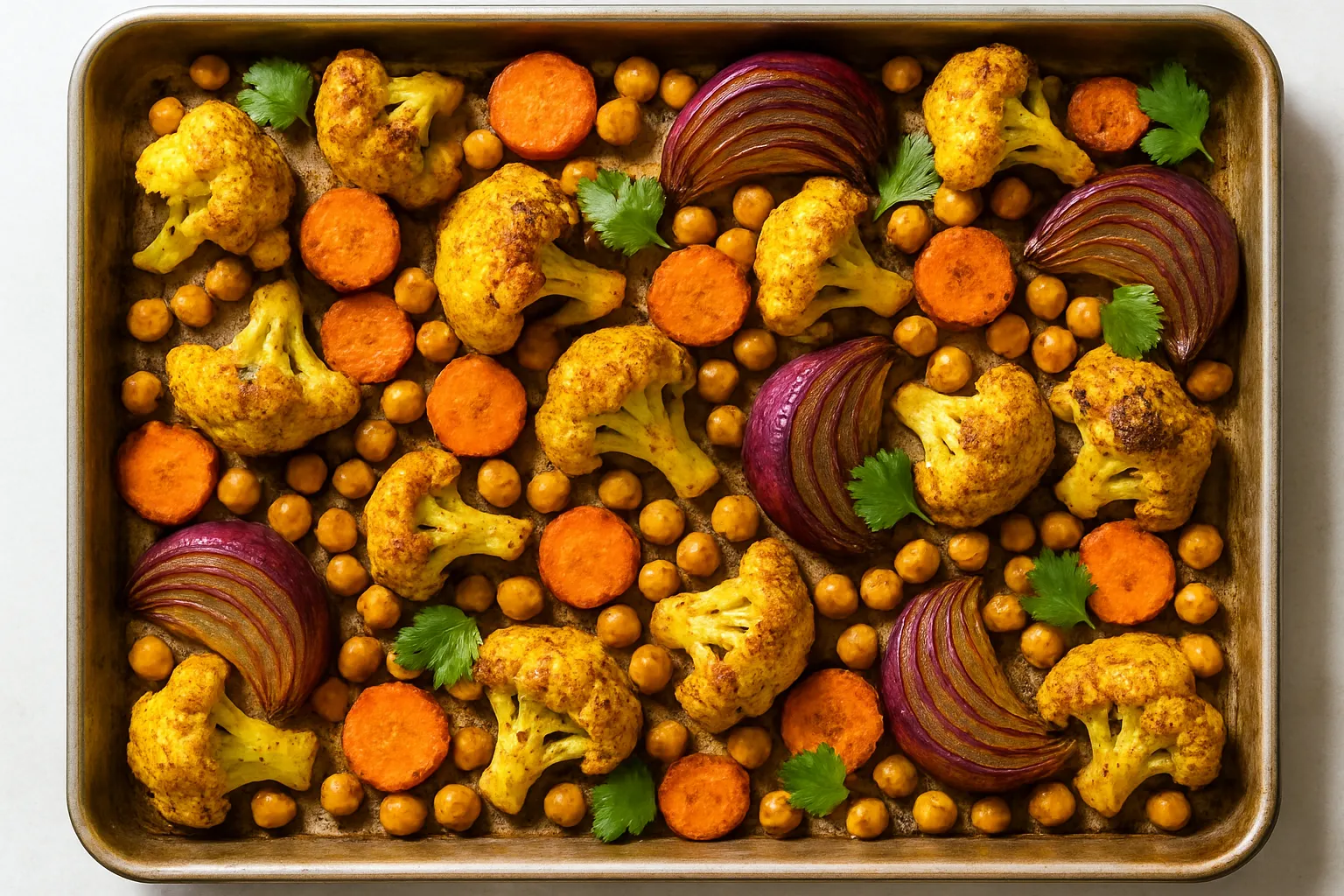
Sheet-pan roasted vegetables
Base formula (per 1 lb of veg):
1–1.5 tbsp oil
3/4–1 tsp ground turmeric or 1.5 tsp yellow curry powder
1/2 tsp kosher salt
Freshly ground black pepper
Toss with cauliflower, carrots, red onion, and chickpeas; spread on a preheated sheet pan and roast at 425°F (220°C) for 20–30 minutes, flipping once. Add‑ons for depth:
1/2 tsp each cumin and coriander
1/2–1 tsp smoked paprika for gentle smokiness
1–2 tsp Raw Spice Bar Mediterranean Seasoning for citrus‑herb lift
Tip: Preheating the sheet pan jump‑starts browning and helps veg crisp instead of steam.
Stovetop sauté with bloom technique
Heat 1–2 tbsp oil in a large skillet. Add 1/2 tsp turmeric (or 1 tsp yellow curry powder) and bloom for 30–45 seconds with minced garlic and ginger until fragrant.
Add sliced zucchini, peppers, broccoli florets, or cauliflower; cook over medium‑high heat until crisp‑tender.
Finish with lemon juice, a pinch of salt, and black pepper for brightness and balance.
Grilled and air-fried veg
Dry rub: Sprinkle curry blends directly onto oiled vegetables (eggplant rounds, zucchini planks, bell peppers). Grill over medium‑high heat until charred and tender.
Quick marinade: Whisk 1/2 cup yogurt (or coconut milk for dairy‑free) + 1 tsp turmeric + 1 tsp garlic + 1/2 tsp salt + black pepper. Toss veg, marinate 15–30 minutes, then grill or air‑fry at 400°F (205°C) until caramelized.
Flavor boosters
Turmeric’s earthiness sings with:
Acids: Lemon, lime, or a splash of apple cider vinegar
Sweetness: Honey or maple to round the edges
Herbs: Fresh cilantro, parsley, or mint for lift
Finishing oils: Extra‑virgin olive oil or toasted sesame oil for sheen and aroma
Raw Spice Bar product suggestions
Mediterranean Seasoning: Add 1–2 tsp to sheet‑pan roasts for herbaceous, citrus‑tinged complexity.
Yellow Curry Powder: Your all‑purpose golden veg workhorse - use in dry rubs or bloom for sautés.
Berbere: A sweet‑heat spotlight for carrots, squash, and sweet potatoes; fantastic in air‑fryer batches.
Turmeric Rice 3 Ways: Everyday Yellow Rice, Coconut Pilaf, and Garlic Fried Rice
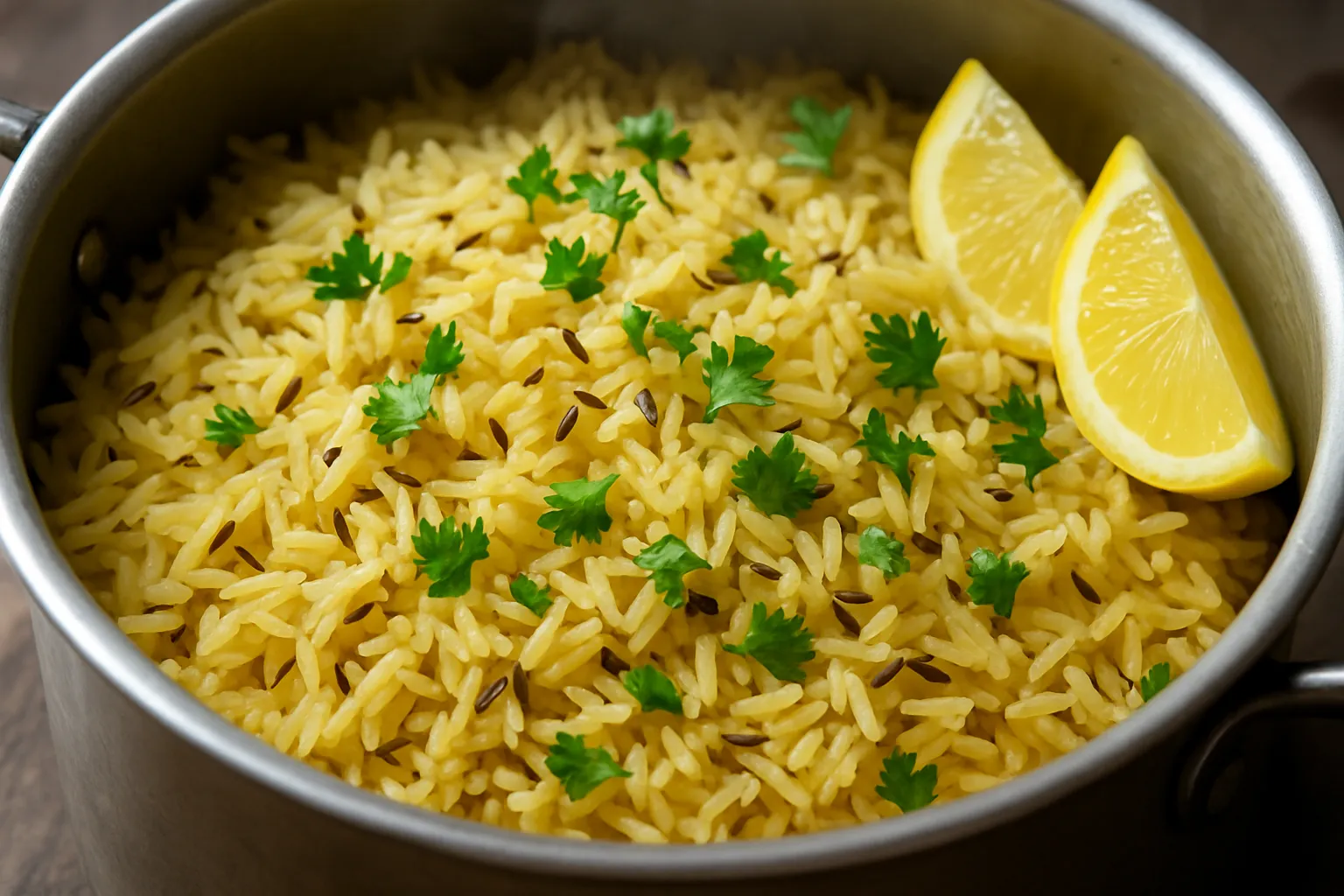
1) Everyday yellow rice (stovetop or rice cooker)
A fast, fragrant base for bowls and curries:
Bloom: Warm 1 tbsp oil or butter; bloom 1/2–1 tsp ground turmeric or 1–1.5 tsp Raw Spice Bar Yellow Curry Powder for 30–45 seconds.
Add rice: Stir in 1 cup rinsed basmati or jasmine until glossy.
Liquid: Add 1.25–1.5 cups vegetable broth; season with 1/2 tsp salt.
Cook: Stovetop - simmer covered 12–15 minutes; rest 10 minutes. Rice cooker - follow machine cues.
Finish: Fluff with parsley or cilantro and a squeeze of lemon. Optional: Toast 1/2 tsp cumin seeds in the fat before blooming turmeric for extra aroma.
2) Coconut-turmeric pilaf
Creamy and aromatic with gentle heat:
Sauté: In 1 tbsp oil, soften 1/2 cup finely chopped onion with garlic and ginger.
Spices: Bloom 1/2 tsp turmeric + 1 tsp Raw Spice Bar Yellow Curry Powder (or 1 tsp Raw Spice Bar Thai Curry for a citrus‑herbal spin).
Rice & liquid: Stir in 1 cup basmati; add 3/4 cup coconut milk + 3/4 cup vegetable stock (1.5 cups total).
Simmer: Cook covered until tender; rest 10 minutes.
Fold-ins: 1/2 cup peas, toasted coconut flakes, and lime zest/juice.
3) Garlic turmeric fried rice (leftover-friendly)
Perfect for day-old rice and quick dinners:
Aromatics: Heat 1–2 tbsp oil in a wok or large skillet; sizzle 3–4 minced garlic cloves and 3 sliced scallions.
Bloom: Add 1/2 tsp turmeric; cook 20–30 seconds.
Rice: Add 3 cups cold cooked rice; stir‑fry until hot and lightly crisp.
Season: 1–2 tsp soy or tamari, a squeeze of lime, and black pepper. Optional heat/smoke: 1/2–1 tsp Raw Spice Bar Berbere.
Finish: Herbs (cilantro, chives), a drizzle of toasted sesame oil, and crushed peanuts or cashews.
Flavor and color tips
Salt the cooking liquid lightly - season rice like pasta water for full flavor.
Avoid over‑turmericing: Start with 1/2 tsp per cup of rice; add more to taste to prevent bitterness.
Stir once after the simmer starts to keep grains separate and evenly colored.
For brighter flavor, finish with citrus (lemon or lime) and fresh herbs.
Raw Spice Bar pairings
Yellow Curry Powder: Classic golden rice (stovetop or rice cooker).
Thai Curry: Coconut‑turmeric pilaf with bright, herbal lift.
Berbere: Smoky‑spicy fried rice with sweet‑heat complexity.
Rice Styles, Ratios, and Pairings
Rice Type |
Liquid Ratio |
Fat/Aromatics |
Turmeric or Blend Amount |
Finishers (herbs, nuts, citrus) |
|---|---|---|---|---|
Jasmine |
1 cup rice : 1.25–1.5 cups broth |
1 tbsp oil/butter, garlic/ginger or toasted cumin seeds |
1/2–1 tsp turmeric OR 1–1.5 tsp Raw Spice Bar Yellow Curry Powder |
Parsley/cilantro, lemon wedges |
Basmati (Coconut Pilaf) |
1 cup rice : 1.5 cups total (3/4 cup coconut milk + 3/4 cup stock) |
1 tbsp oil, onion + garlic + ginger |
1/2 tsp turmeric + 1 tsp Raw Spice Bar Yellow Curry Powder OR 1 tsp Raw Spice Bar Thai Curry |
Peas, toasted coconut, lime zest/juice, cilantro |
Brown Rice (Fried Rice) |
1 cup rice : 2–2.25 cups water/stock (cook ahead, chill) |
1–2 tbsp oil, garlic + scallions |
1/2 tsp turmeric per 3 cups cooked rice; optional 1/2–1 tsp Raw Spice Bar Berbere |
Lime, cilantro, sesame oil, peanuts/cashews |
For consistent color, aroma, and results, use Raw Spice Bar’s fresh, small‑batch yellow curry powder and curry blends. Their clean, additive‑free 2 oz packets keep your turmeric seasoning bright and your rice deeply flavorful every time.
Soups with Golden Warmth: From Brothy Bowls to Creamy Comfort
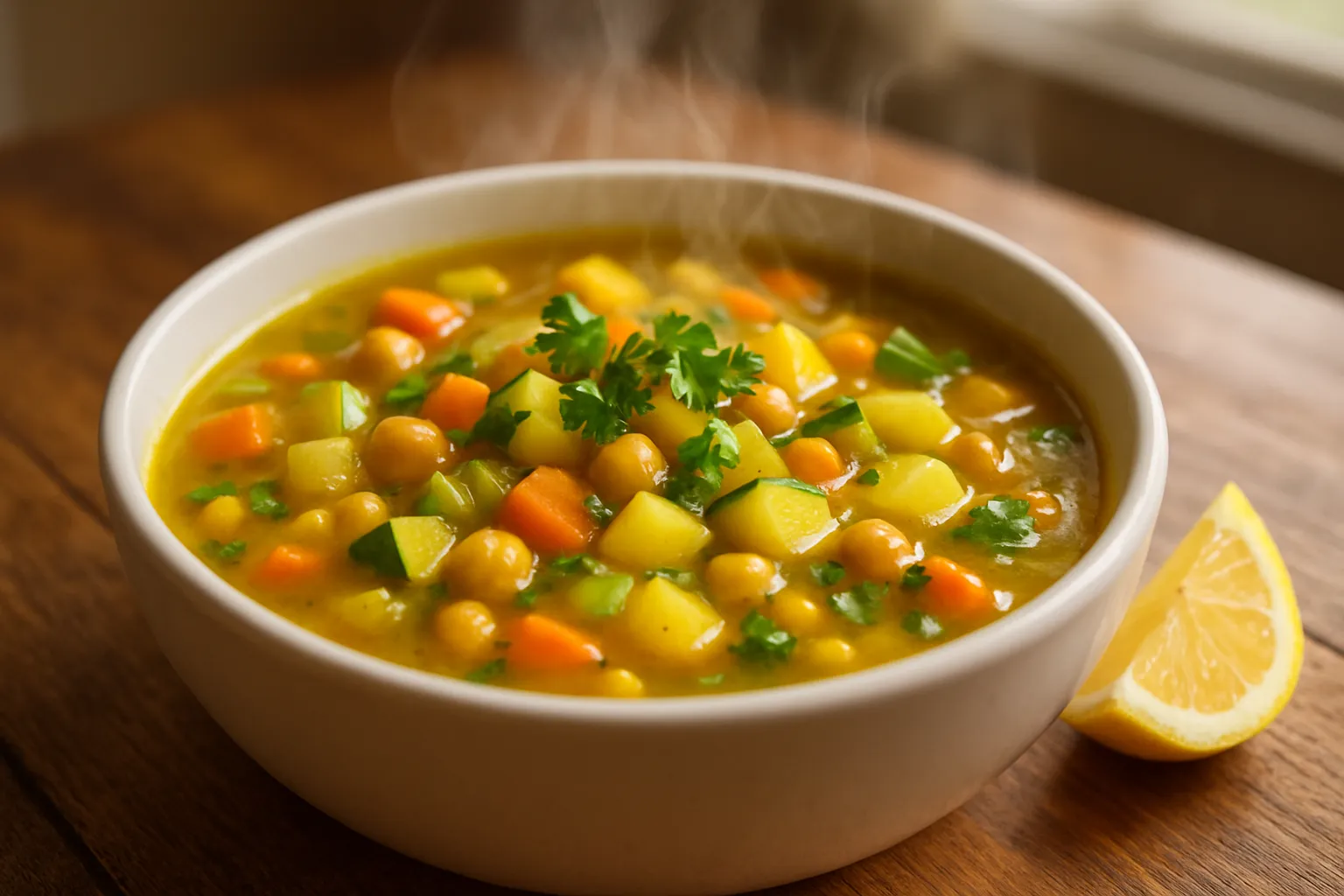
Brothy turmeric vegetable soup
Channel those beloved “healing” bowls with a bright, clear broth:
Bloom 1/2–1 tsp turmeric in 1–2 tbsp oil with minced garlic and grated ginger for 30–45 seconds.
Add carrots, celery, potatoes, zucchini, and chickpeas; season with salt and pepper.
Pour in vegetable broth, simmer until tender, and finish with lemon and parsley.
Creamy coconut-lentil soup
Silky, satisfying, and fast:
Sauté onion, garlic, and ginger. Add 1–2 tsp Raw Spice Bar Yellow Curry Powder and 1/2 tsp turmeric.
Stir in 1 cup red lentils, 4 cups stock, and 1 can coconut milk; simmer until the lentils are soft.
Finish with lime juice, chopped cilantro, and black pepper.
Silky blended carrot-ginger-turmeric soup
Velvety and aromatic:
Roast carrots until sweet and caramelized. Sauté onion and ginger; bloom 1/2 tsp turmeric.
Blend with warm stock until smooth; adjust salt.
Finish with a yogurt or coconut cream swirl and a sprinkle of herbs.
Make it your own
Spice levels: Add more curry blend for bigger warmth, or a pinch of chili for heat.
Greens: Toss in chopped spinach or kale in the last few minutes.
Crunch: Top with crispy chickpeas, toasted pumpkin seeds, or garlic chips.
Raw Spice Bar soup shortcuts
Thai Curry: For coconut‑based soups with citrusy, herbal lift.
Yellow Curry Powder: For golden veggie broths, carrot soups, and lentil stews.
Berbere: For spiced tomato‑lentil stews with smoky heat and depth.
Soup Styles and Best Curry Blends
Soup Base |
Recommended Blend |
Key Aromatics |
Finishing Touches |
|---|---|---|---|
Broth (vegetable or chicken) |
RSB Yellow Curry |
Garlic, ginger, onion |
Lemon juice, parsley, black pepper |
Coconut |
Thai Curry |
Lemongrass, ginger, garlic |
Lime juice, cilantro, chili oil |
Tomato |
Berbere |
Onion, garlic, paprika/chili |
Olive oil drizzle, parsley, toasted seeds |
Cream (dairy or coconut cream) |
Mediterranean or RSB Yellow Curry |
Onion, celery, garlic |
Yogurt swirl, chives, lemon zest |
With Raw Spice Bar’s small‑batch blends, you’ll get consistent color and warmly layered flavor - so every bowl is weeknight‑easy and restaurant‑delicious.
Curry Powder Ingredients 101: Yellow Curry Powder vs. Other Curry Blends
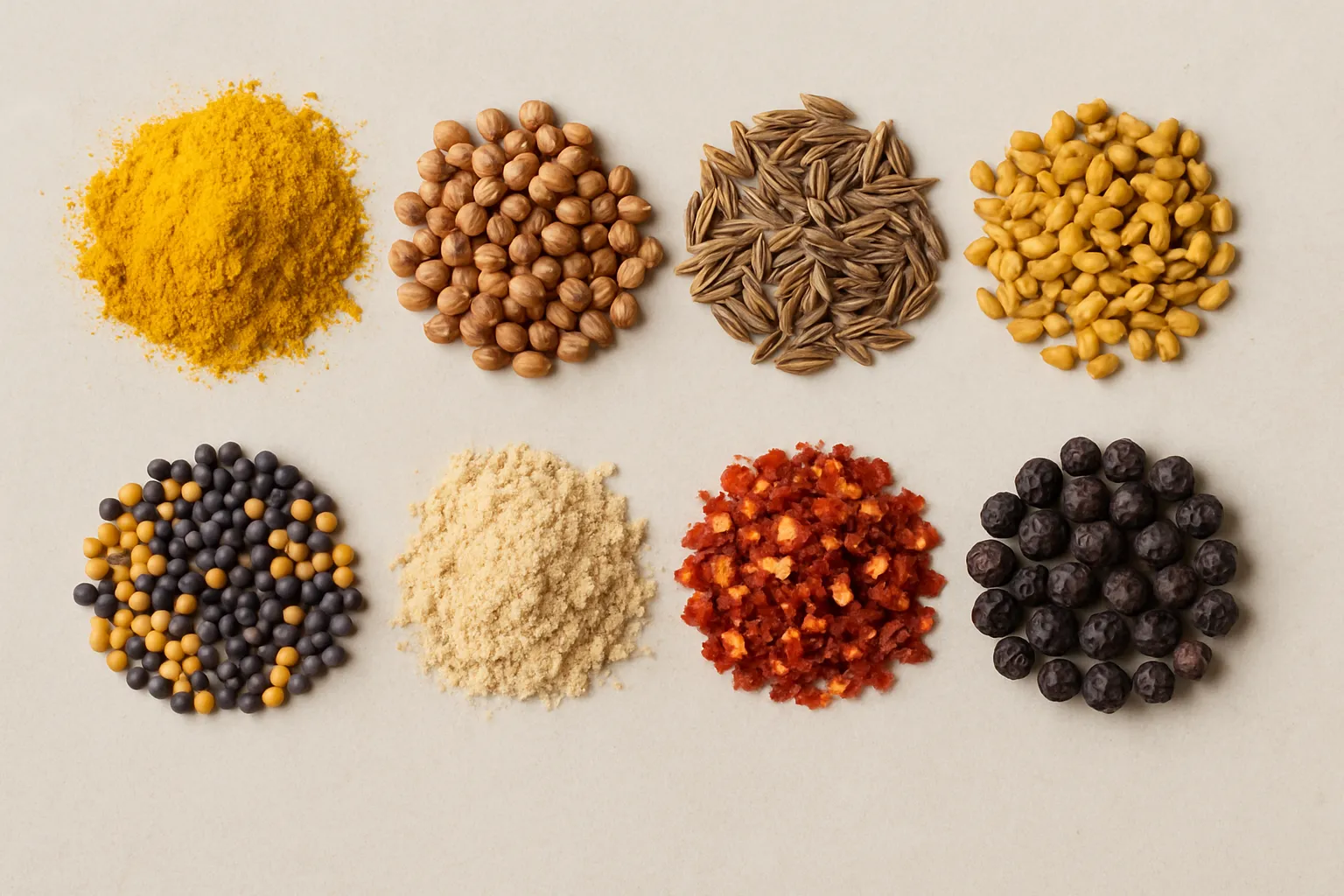
Yellow curry powder profile
Yellow curry powder is a versatile, all‑in‑one blend that brings color, warmth, and balance to everyday cooking with turmeric.
Typical makeup: Turmeric for golden color and earthy warmth; coriander and cumin for a citrus‑nutty base; fenugreek and mustard seed for a subtle bittersweet lift; ginger and black pepper for gentle heat; often garlic and mild chili for roundness.
Flavor architecture: Turmeric‑led warmth on top of a coriander/cumin backbone, lifted by fenugreek/mustard, with pepper/ginger heat tying it together.
Best uses: Weeknight golden rice, quick skillet veggies, simple soups and stews when you want reliable, cohesive flavor without measuring multiple spices.
Comparing blends
Thai Curry: Bright, aromatic curry blends often capture lemongrass, galangal, and makrut lime notes alongside chili and warm spices. Ideal with coconut milk for soups, simmer sauces, shrimp, tofu, and vegetables. Flavor: citrusy, herbal, spicy, and creamy when paired with coconut.
Berbere: A chile‑forward Ethiopian blend layered with fenugreek, cardamom, and warming spices for deep heat and complexity. Great with tomato‑based lentil stews, roasted carrots/squash, and chickpeas. Flavor: bold heat, sweet‑savory spice depth.
Mediterranean Seasoning: Herbaceous and citrusy, typically featuring oregano, thyme, rosemary, garlic, black pepper, and lemon peel. Excellent with roasted veg, chickpeas, chicken, and fish. Flavor: fresh, savory, and bright.
How to choose quickly
Pick your curry blends by considering fat, acid, and your main ingredient:
-
Fat pairing:
Coconut milk: Thai Curry for silky, aromatic results.
Neutral oil or ghee: Yellow curry powder for balanced warmth; Berbere for bolder heat.
Olive oil: Mediterranean Seasoning for herb‑forward dishes.
-
Acid pairing:
Lime: Thai Curry and coconut‑based dishes.
Lemon: Yellow curry powder or Mediterranean.
Tomato or a splash of vinegar: Berbere (tomato‑lentil soups, stews).
-
Protein/veg matchups:
Seafood/shrimp: Thai Curry.
Chicken/turkey: Yellow curry powder or Mediterranean.
Tofu/tempeh: Thai Curry or Yellow curry powder.
Lentils/chickpeas: Yellow curry powder for mellow warmth; Berbere for spicy depth.
Roots (carrots, squash, sweet potatoes): Berbere or Yellow curry powder.
Greens (spinach, kale): Mediterranean for an herbaceous lift.
Quick chooser:
Need color + mild warmth fast? Yellow curry powder.
Want citrus‑herbal coconut soups? Thai Curry.
Craving bold, chile‑spice complexity? Berbere.
Looking for fresh, herb‑forward weeknight meals? Mediterranean Seasoning.
Raw Spice Bar advantage
Raw Spice Bar makes cooking with turmeric and curry blends simple and consistently delicious:
Small‑batch freshness: Our 2 oz packs deliver peak aroma, color, and potency - your turmeric seasoning stays vibrant.
Clear pairing suggestions: Each blend comes with usage notes to match fats, acids, and proteins/veg.
Recipe cards included: Step‑by‑step guidance (often with omnivore and herbivore options) removes guesswork on busy nights.
Clean, additive‑free blends: Just quality spices - no fillers or preservatives.
Flexible discovery: Subscribe for monthly global flavors or shop past blends anytime to stock your perfect curry powder ingredients lineup.
Flavor Balancing, Substitutions, and Storage (Make Turmeric Taste Great)
Balance the bowl
Turmeric shines when you balance its earthy, mildly bitter notes with contrasting flavors and textures.
Acid: Lemon, lime, or a splash of apple cider or rice vinegar lifts heaviness and brightens color.
Sweetness: A touch of honey or maple rounds bitterness in soups, roasted veg, and dressings.
Salt: Season in layers (aromatics, simmer, finish) to keep turmeric seasoning vivid, not dull.
Fresh herbs: Cilantro, parsley, mint, or chives add freshness and visual contrast.
Fat: Olive oil, ghee, or coconut milk carry fat‑soluble aromatics for fuller flavor.
Pepper: Finish with freshly cracked black pepper to complement turmeric’s warmth.
Smart substitutions
No turmeric on hand: Use a mild yellow curry powder and reduce the quantity by about one‑third (it’s a blend with amplified flavor from coriander, cumin, fenugreek, mustard seed, ginger, chili, and black pepper). Adjust salt to taste.
Color without overpowering: Try sweet paprika plus a pinch of ground ginger and cumin to mimic warm color and gentle spice.
Creamy swaps: Use coconut milk, half‑and‑half, or cashew cream interchangeably depending on the dish; coconut pairs best with Thai‑style curry blends.
-
Blend alternatives:
Out of Yellow Curry Powder? Combine turmeric + coriander + cumin + black pepper for a quick DIY.
Want bolder depth? Raw Spice Bar Berbere delivers smoky‑sweet heat for roasted roots or tomato‑lentil soups.
Prefer herbaceous lift? Raw Spice Bar Mediterranean Seasoning gives a citrus‑herb finish to sheet‑pan veggies.
Technique tips
Heat control: Use moderate heat; turmeric can scorch and turn bitter if the pan is too hot.
Blooming: Briefly bloom turmeric or curry blends in oil/ghee (30–45 seconds) with aromatics like garlic and ginger to release fat‑soluble aromatics.
Timing: Add turmeric early for deeper color and integrated flavor; add a pinch near the end for a brighter, fresher aroma.
Deglaze: After blooming, add a splash of broth or water to dissolve flavorful fond before simmering.
Seed toasting: Toast cumin or mustard seeds first for nutty depth, then add turmeric or yellow curry powder.
Storage for maximum potency
Keep spices airtight, cool, and away from light and steam (not above the stove).
Buy small, fresh batches - Raw Spice Bar’s 2 oz packs are ideal for maintaining vivid color and aroma.
Refresh ground turmeric and curry blends every 3–6 months for peak flavor; whole spices last longer.
Label jars with open dates. Store fresh turmeric root wrapped in the fridge (2–3 weeks) or freeze in coins for months.
Safety and staining
Tools and surfaces: Use non‑porous cutting boards, silicone spatulas, and glass or stainless cookware to minimize staining. Avoid wood and porous plastics.
Quick cleanup: Wipe spills promptly with soapy water; for persistent stains, use a paste of baking soda and water or a little lemon juice.
Gentle simmer: For soups and sauces, simmer rather than hard‑boil to preserve delicate aromatics and a clean golden color.
For reliably balanced flavor and vibrant color every time, start with fresh spices. Raw Spice Bar’s small‑batch Yellow Curry Powder, Berbere, Thai Curry, and Mediterranean Seasoning come with pairing tips and recipe cards that remove guesswork - so cooking with turmeric (and your favorite curry blends) is simple, consistent, and delicious.
Quick Mixes & Meal Planner: 7 Ready-to-Use Turmeric Seasoning Formulas
7 fast blends to batch and use all week
Make one or two small jars on Sunday and you’ll have instant flavor for veggies, rice, and soups. Each formula makes about 6 tablespoons - enough for 4–6 meals. Store airtight away from heat and light.
-
Everyday Veg Rub
2 tbsp ground turmeric
1 tbsp garlic powder
1 tbsp ground cumin
1 tbsp ground coriander
2 tsp fine salt
1 tsp black pepper
Use: Sheet‑pan veggies, sautéed zucchini/peppers, or as a base turmeric seasoning for soups.
-
Lemony Sheet-Pan Mix
3 tbsp Raw Spice Bar Yellow Curry Powder
2 tsp lemon zest (dried or finely grated fresh used same day)
2 tsp smoked paprika
1.5 tsp fine salt
Use: Toss with broccoli, chickpeas, and red onion; roast until edges char. Bright, warm, and citrusy.
-
Coconut Curry Rice Mix
3 tbsp Raw Spice Bar Yellow Curry Powder
2 tsp ground ginger
1 tsp ground cardamom
1/2 tsp ground cinnamon
1 tsp fine salt
Use: Stir 1–2 tsp per cup of rice; cook with half coconut milk, half stock for golden, fragrant rice.
-
Herb Garden Sprinkle
1 tbsp ground turmeric
2 tbsp Raw Spice Bar Mediterranean Seasoning
1 tbsp dried lemon peel (or fresh zest when serving)
1 tsp red chile flakes
1 tsp fine salt
Use: Finish grilled or air‑fried vegetables; sprinkle on bowls for herbaceous lift.
-
Sweet-Heat Carrot Dust
1 tbsp ground turmeric
2 tbsp Raw Spice Bar Berbere
1 tbsp light brown sugar
1.5 tsp fine salt
Use: Roast carrots, squash, or sweet potatoes for glossy, caramelized edges with warming heat.
-
Golden Broth Starter
2 tbsp ground turmeric
1 tbsp garlic powder
1 tbsp onion powder
1 tsp white pepper
1 tsp celery salt
Use: Whisk 1–2 tsp into hot vegetable broth; add lemon and parsley for a quick golden soup.
-
Zesty Fried Rice Finish
1 tbsp ground turmeric
1 tsp white pepper
1 tbsp scallion powder (or onion powder)
2 tsp finely grated lime zest (use fresh; mix just before serving)
1 tsp fine salt
Use: Toss into hot fried rice during the last minute for bright color and aroma.
Pro tip: For better absorption and rounder flavor, finish dishes with a pinch of black pepper and a splash of fat (olive oil, ghee, or coconut milk).
Weekly meal ideas (plug-and-play)
-
Monday: Golden broccoli & chickpea sheet pan (+ tahini lemon sauce)
Toss broccoli, chickpeas, and red onion with Lemony Sheet‑Pan Mix; roast at 425°F. Whisk tahini + lemon + water + salt to drizzle.
-
Tuesday: Coconut-turmeric pilaf with peas
Stir Coconut Curry Rice Mix into basmati; cook with half coconut milk, half stock. Fold in peas and cilantro.
-
Wednesday: Tomato-lentil soup with Berbere swirl
Simmer red lentils in tomato‑vegetable broth; finish with 1–2 tsp Raw Spice Bar Berbere and a squeeze of lemon.
-
Thursday: Garlic turmeric fried rice with eggs or tofu
Wok‑fry garlic and scallions; add leftover rice; season with soy/tamari. Sprinkle Zesty Fried Rice Finish and lime.
-
Friday: Grilled cauliflower steaks with herby curry sprinkle
Brush with oil; grill until tender. Dust with Herb Garden Sprinkle and serve with yogurt‑lemon sauce.
Raw Spice Bar pairing notes
Yellow Curry Powder: Your go‑to for everyday yellow rice, golden veggie roasts, and quick brothy soups. It packs classic curry powder ingredients - turmeric, coriander, cumin, fenugreek, mustard seed, ginger, chili, and black pepper - for balanced warmth.
Thai Curry: Best in coconut‑based soups, simmer sauces, and coconut rice; its lemongrass‑galangal profile blooms beautifully in fat.
Berbere: Use when you want chile‑forward complexity in roasted carrots/squash and tomato‑lentil stews.
Mediterranean Seasoning: Herbaceous, citrus‑leaning lift for sheet‑pan vegetables, chickpeas, and grain bowls.
With Raw Spice Bar’s small‑batch blends (fresh 2 oz packs) and recipe cards, you can batch these mixes once and cook on autopilot all week. Subscribe for monthly discoveries or shop past blends to keep your turmeric seasoning and curry blends at peak aroma and color - making cooking with turmeric effortless and consistently delicious.
Wrap-Up: Start Cooking with Turmeric Tonight (with Raw Spice Bar)
Bring global flavor home
Cooking with turmeric is the easiest way to add golden color and gentle, earthy warmth to everyday meals. Lean on curry blends - like yellow curry powder or regional curry blends - to simplify seasoning and get balanced, reliable flavor in veggies, rice, and soups without the measuring guesswork.
Why Raw Spice Bar
Authentic global flavors made approachable for home cooks
Fresh, small‑batch 2 oz blends for peak aroma and consistent turmeric seasoning strength
Recipe cards included, with omnivore and herbivore options
Clean ingredients - no fillers or additives
Clear pairing and usage guidance that makes curry powder ingredients and blends easy to use any night of the week
Next steps
-
This week, try:
Yellow Curry Powder for golden rice and sheet‑pan vegetables
Thai Curry for a quick coconut soup or simmer sauce
Berbere for sweet‑heat roasted carrots or a tomato‑lentil stew
Subscribe for monthly discoveries or shop past favorites anytime. Planning gifts? Explore our Global Cuisine, Backyard BBQ, or Perfect Pantry gift sets (22 amazing spices).
Cook along with the quick techniques above - bloom your spices, balance with citrus and herbs, and build your turmeric routine one simple meal at a time.
With Raw Spice Bar’s fresh, globally inspired blends at your side, cooking with turmeric becomes fast, flavorful, and foolproof.


