

Allspice 101: Flavor, Origins, and Why It’s Not a Blend
Meet allspice (Pimenta dioica)
Allspice berries are the dried, unripe fruit of the tropical Pimenta dioica tree, native to Jamaica and widely grown across the Caribbean and Central America. When dried, these pea-sized berries look like peppercorns, but their aroma is pure warmth: think cinnamon’s cozy sweetness, clove’s piney bite, and nutmeg’s mellow roundness in one spice. That’s why cooks often mistake it for a mixture. Whether you use whole allspice berries or ground allspice, this pantry staple anchors classic recipes across continents and seasons.
"Allspice is actually a single spice made from the dried berries of the Pimenta dioica tree - not a blend." - Source
At Raw Spice Bar, we prize allspice for its versatility in both sweet and savory cooking - and for how seamlessly it slots into our globally inspired blends.
Flavor snapshot
-
Warm and peppery-sweet
-
Piney clove notes with a gentle tingle
-
Cinnamon-like heat and dessert-friendly depth
-
Nutmeg-style roundness that smooths sharp flavors
-
Subtle pepperiness that lifts marinades, stews, and bakes
Not a blend - despite the name
Allspice isn’t short for “all the spices.” English traders coined the name in the 1600s because the berry’s fragrance suggested several spices at once. That layered character is why a smart substitute for allspice typically combines cinnamon, cloves, and nutmeg - mimicking the berry’s natural balance rather than overpowering it with any single note.
Where allspice shows up
-
Jamaican jerk rubs and Caribbean stews (pimento is essential to jerk’s signature warmth)
-
Middle Eastern braises and rice dishes (especially in family-style spice mixes)
-
Scandinavian cookies and holiday baking
-
Cincinnati chili (with tomato, beef, and cinnamon)
-
Classic American baking: pumpkin pie, spice cake, gingerbread, and fruit preserves
You’ll spot both whole allspice berries and ground allspice in these dishes. Whole berries infuse gently during slow cooking, mulling, and pickling; ground allspice disperses evenly in doughs, batters, rubs, and sauces.
Why this guide
In the sections ahead, you’ll learn:
-
The best substitute for allspice with accurate ratios (so your flavors stay balanced)
-
When to reach for whole allspice berries vs. ground allspice (and how each behaves)
-
How to grind allspice berries at home for peak freshness and aroma
-
Pro tips for using Raw Spice Bar blends to capture allspice’s warmth across cuisines
From weeknight chili to holiday pies, we’ll help you use allspice ingredients with confidence - and show you how our fresh, small-batch blends and spice subscription make global, allspice-forward cooking easy.
Whole vs. Ground Allspice: When to Use Each (+ Quick Conversion Insight)
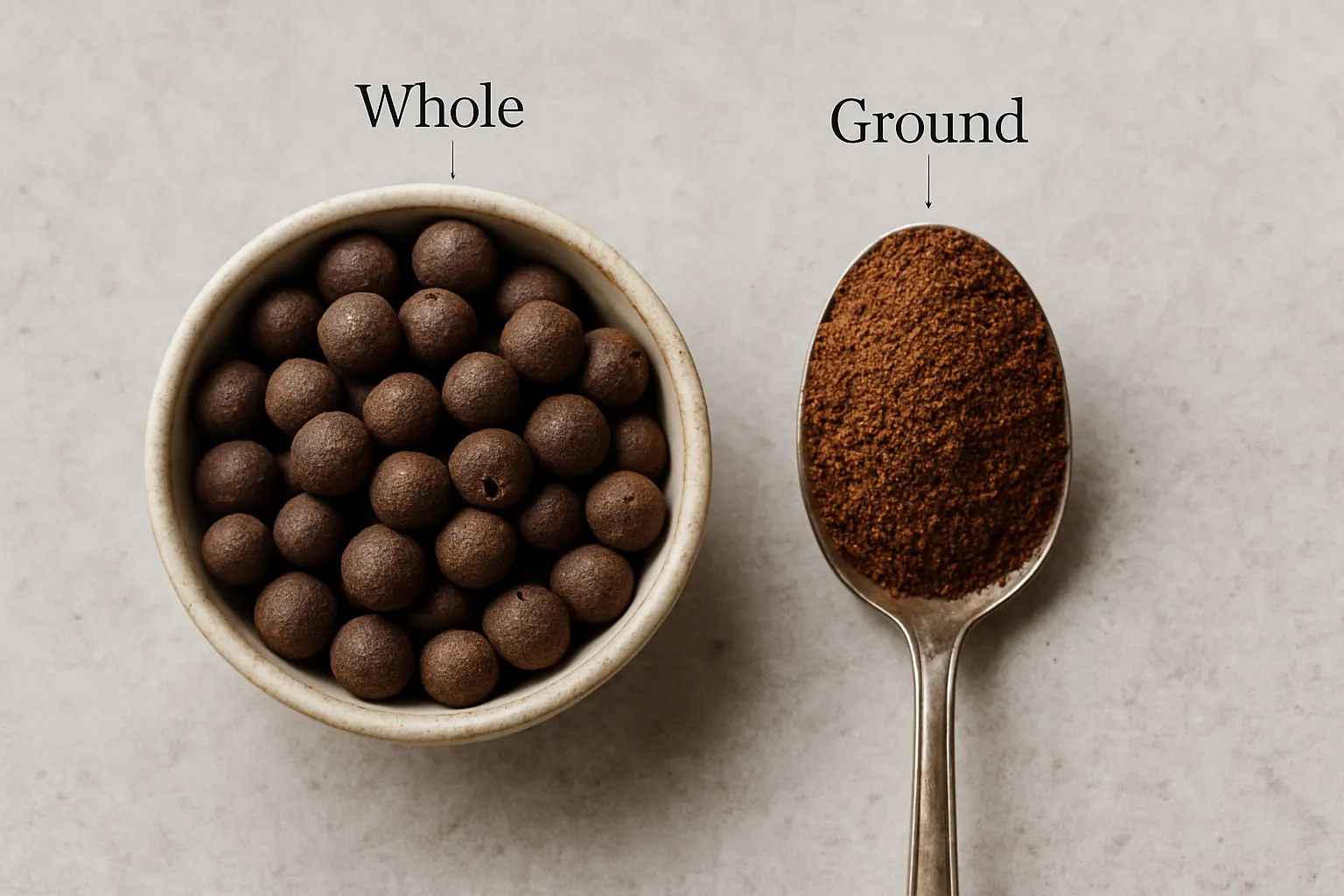
Whole allspice berries (best uses)
Choose whole allspice berries for long, gentle extractions where you want warm depth without gritty texture:
-
Slow-cooked stews and braises: infuse layered warmth that won’t overpower. Remove before serving.
-
Pickling and brines: release aroma steadily without clouding the liquid.
-
Mulling (wine/cider) and hot infusions (toddy/tea): add complexity with clean removal.
-
Flavoring syrups or cream infusions: steep, taste, and strain for precise control.
Whole allspice berries are less intense than ground allspice and are easy to fish out. Tip: Tie berries in cheesecloth for effortless removal.
Ground allspice (best uses)
Reach for ground allspice when you need even distribution and higher intensity:
-
Baking: apple pie, spice cakes, cookies, gingerbread, preserves.
-
Sausage seasoning and meatloaf blends.
-
Dry rubs and marinades for quick flavor impact.
-
Quick pan sauces and glazes: whisk directly into liquids for smooth dispersion.
Ground allspice integrates instantly and delivers bold, consistent flavor - ideal for allspice recipes where precision matters.
Pantry strategy
Keep both forms on hand. Use whole allspice berries for long simmers, mulling, and pickling; use ground allspice for baking, rubs, and any preparation where even distribution is key. Raw Spice Bar’s small-batch freshness lets you get the most from both - pair our ground allspice and globally inspired blends with included recipe cards for fast, reliable results.
Quick conversion insight (details later)
-
Whole-to-ground yield varies by berry size and freshness. Start small, then taste and adjust.
-
As a practical baseline:
"Approximately 6 whole allspice berries yield about 1/4–1/2 teaspoon ground, depending on berry size." - Source
-
For steeps and simmers, start with the low end, taste halfway through, and adjust time or quantity to avoid bitterness. A full conversion and steep-time table appears below in this guide.
Raw Spice Bar tip: For a quick substitute for allspice when you’re out of ground, grind whole allspice berries fresh in a spice grinder - then fold into batters, rubs, or sauces for peak aroma.
The Best Substitute for Allspice: Accurate Ratios That Work (Sweet or Savory)
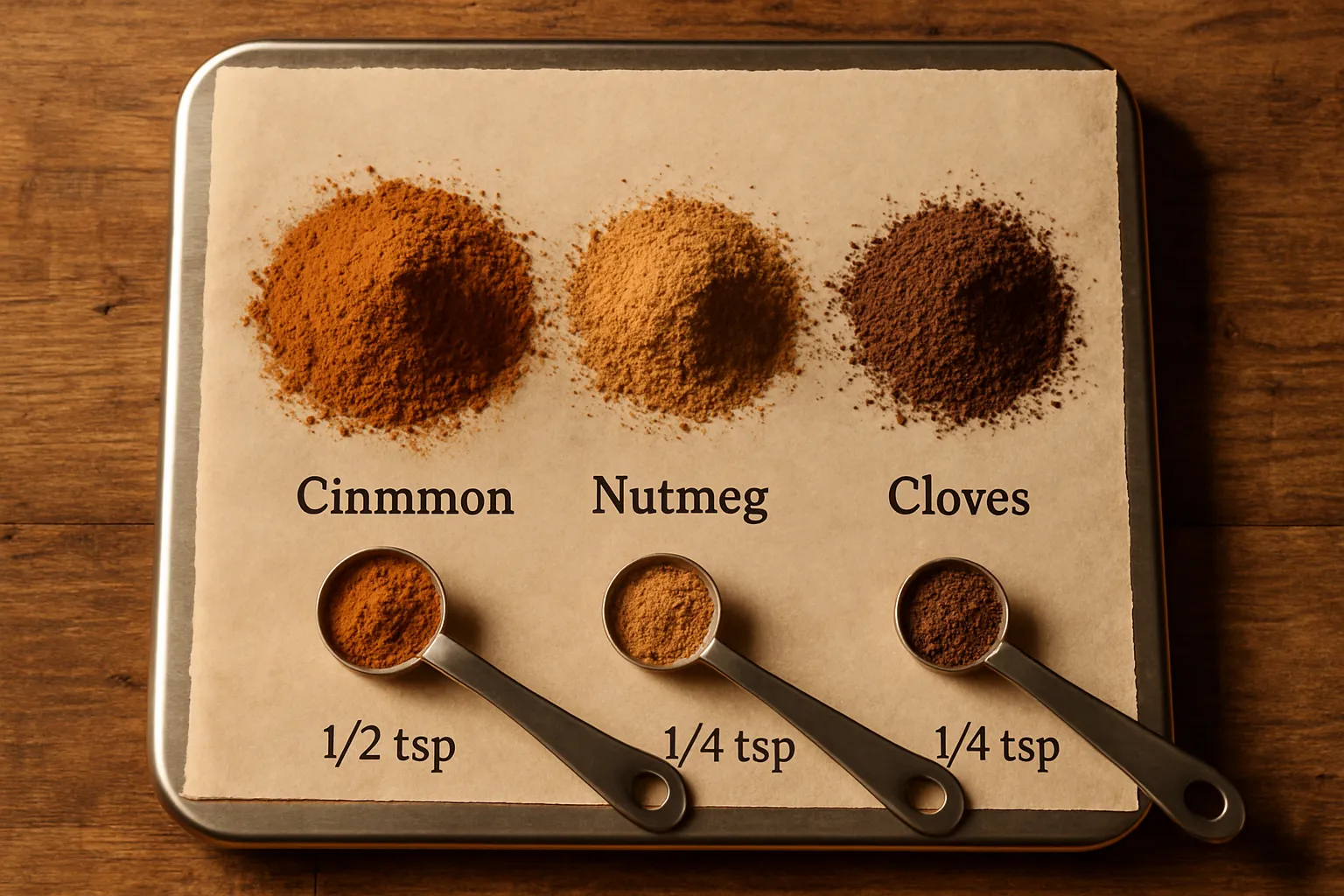
The gold-standard DIY blend (per 1 tsp allspice)
Use this reliable 1:1 replacement whenever a recipe calls for ground allspice:
-
1/2 teaspoon cinnamon + 1/4 teaspoon nutmeg + 1/4 teaspoon cloves
Why it works:
-
Cinnamon supplies warmth and gentle sweetness.
-
Nutmeg rounds edges and adds nutty, creamy depth.
-
Cloves bring piney-clove intensity and a peppery tingle.
Tweak it:
-
Sweet baking: add a pinch more cinnamon for soft warmth.
-
Savory dishes: reduce cloves slightly and add a pinch of black pepper to restore allspice’s mild heat.
-
Dairy sauces/custards: swap nutmeg for mace for a lighter floral note.
One-jar shortcuts when you’re in a rush
-
Pumpkin pie spice: Great 1:1 in pies, quick breads, and cookies.
-
Chinese five-spice: Excellent 1:1 for marinades and braises; delivers savory-sweet warmth.
-
Apple pie spice: Solid 1:1 in desserts with balanced cinnamon-forward flavor.
When single spices make sense
-
Cinnamon alone: 1:1 in simple cookies, oatmeal, and quick bakes (know it lacks clove warmth).
-
Cloves alone: 1/4–1/2 tsp per 1 tsp allspice in stews and mulling only - cloves overpower easily.
-
Mace: 1:1 in delicate sauces or custards for a refined, nutmeg-adjacent profile.
-
Pepper pinch add-on: In savory swaps, a pinch of black pepper helps mimic allspice’s gentle heat.
Taste-and-adjust roadmap
-
Too clove-forward? Cut cloves by half and compensate with a touch more cinnamon.
-
Needs warmth in savory? Add a pinch of black pepper or a tiny pinch of ginger for lift.
-
Too sweet for meats? Reduce cinnamon slightly and lean on mace/nutmeg and pepper.
-
Using whole allspice berries? Grind fresh, then mix the 1/2–1/4–1/4 blend for the brightest flavor.
Substitute for allspice: ratios and best-use matrix
|
Substitute |
Ratio per 1 tsp allspice |
Best for |
Avoid/Notes |
|---|---|---|---|
|
1/2 tsp cinnamon + 1/4 tsp nutmeg + 1/4 tsp cloves |
1:1 |
All cooking/baking |
None |
|
Pumpkin pie spice |
1:1 |
Pies, quick breads |
Avoid Caribbean savory |
|
Chinese five-spice |
1:1 |
Marinades, braises |
Star anise can dominate sweets |
|
Cinnamon alone |
1:1 |
Simple cookies/oatmeal |
Lacks clove warmth |
|
Cloves alone |
1/4–1/2 tsp |
Stews/mulling |
Easily overpowering |
|
Mace |
1:1 |
Dairy sauces/custards |
Subtler pepper notes |
|
Apple pie spice |
1:1 |
Desserts |
Ginger alters savory |
|
Pepper add-on |
Pinch |
Savory blends |
Add to mimic gentle heat |
Raw Spice Bar pairing tip
Use the DIY blend as a quick bridge to complement Raw Spice Bar’s globally inspired seasonings:
-
American BBQ: Add the blend to rubs for richer, caramel‑warm bark on ribs and chicken.
-
Mediterranean Seasoning: Fold in a pinch of the blend to deepen tomato braises and lamb meatballs.
-
Berbere: A small addition rounds heat with baking‑spice complexity for stews and roasted vegetables.
Our fresh, small‑batch ground allspice and spice subscription help you keep both ground allspice and whole allspice berries on hand - plus recipe cards to turn these substitutes into weeknight‑ready allspice recipes without guesswork.
Whole Allspice Berries in Action: Infuse, Simmer, Strain (The Pro Method)
How to use whole allspice berries
-
Bloom (optional): Toast whole allspice berries in a dry pan over medium heat for 30–45 seconds until fragrant. For stronger extraction, lightly crack them with the side of a knife.
-
Simmer to infuse: Add to your liquid (stock, brine, cider, wine) and bring to a gentle simmer - never a hard boil - to extract warm, peppery-sweet aromatics without bitterness.
-
Ideal applications: Pickling and brines, mulling wine/cider, stocks and stews, toddies/tea, syrups, and dairy infusions.
-
Strain for clarity: Remove berries before serving or bottling to keep textures clean.
Pro tip from Raw Spice Bar: Use our fresh, small‑batch whole allspice berries for deeper, cleaner infusions, then finish with a pinch of our ground allspice or a complementary blend (American BBQ, Mediterranean Seasoning) for final seasoning.
Steeping times and intensity control
-
Light infusions (tea/cider): Steep briefly (10–15 minutes), then hold warm off heat; taste and remove when the balance is right.
-
Long braises/stews: Add early and simmer 1–2 hours; check at 45 minutes and remove once the warmth is present but not dominant.
-
Dairy and delicate sauces: Keep heat gentle; pull berries as soon as the aroma is clear and rounded to avoid tannic bitterness.
Removal methods
-
Cheesecloth sachet: Tie berries in cheesecloth/kitchen twine for easy removal in pots and pitchers.
-
Tea infuser: Perfect for small batches (mugs, small saucepans, custards).
-
Count-and-remove: Note exactly how many berries you added; fish them out before serving.
Conversion and timing quick-reference
-
Yield varies by berry size and freshness. Use the table below as a practical starting point, then taste and adjust.
|
Dish/type |
Whole berries per cup of liquid |
Approx. ground equivalent |
Suggested steep time |
Removal tip |
|---|---|---|---|---|
|
Mulling cider/wine |
2–3 |
1/8–1/4 tsp |
10–15 min simmer; keep warm off heat |
Sachet or fine strain |
|
Pickling brine |
3–5 |
1/8–1/3 tsp |
20–40 min gentle simmer; strain before bottling |
Strain brine or sachet |
|
Beef stew |
1–2 |
1/16–1/8 tsp |
60–120 min; taste at 45 min |
Sachet or count-and-remove |
|
Bean soups |
1–2 |
1/16–1/8 tsp |
45–90 min; taste halfway |
Tea infuser or sachet |
|
Rice/pilaf |
~1 per cup liquid |
~1/16 tsp |
Cook time (12–18 min); remove before fluffing |
Count-and-remove or infuser |
|
Custard/cream infusions |
1–2 |
1/16–1/8 tsp |
10–20 min on gentle heat; do not boil |
Fine-mesh strain |
Raw Spice Bar note: For bolder finishes, remove the berries at optimal aroma, then season to taste with a pinch of our ground allspice or pair with our blends (Berbere for stews, American BBQ for glazes) to layer complexity without oversteeping.
How to Grind Allspice Berries at Home (Mortar, Mill, or Grinder)
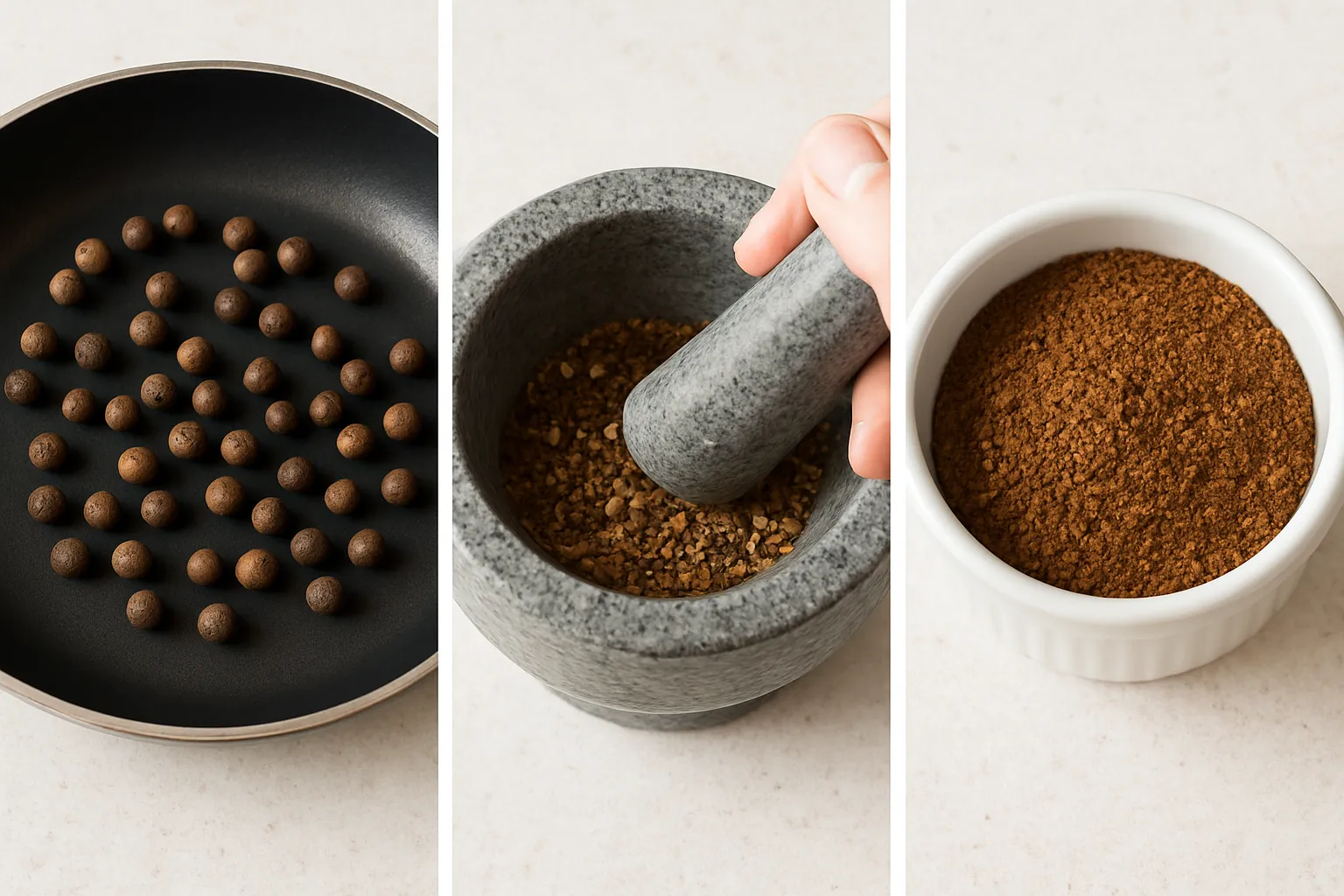
Tools and prep
-
Mortar and pestle for small, precise batches and coarse-to-fine control.
-
Pepper mill set to fine for quick, even grinding of whole allspice berries.
-
Dedicated spice grinder for fast, uniform powder.
-
Repurposed coffee grinder works well - just clean thoroughly to prevent flavor carryover.
-
Ensure tools are clean and completely dry to preserve aroma.
Step-by-step
-
Optional toast: Warm whole berries in a dry skillet over medium heat for 30–60 seconds until fragrant; do not scorch. Cool fully.
-
Grind: Use mortar and pestle, pepper mill, or grinder. Pulse to desired fineness (fine for baking, medium for rubs).
-
Sift (for baking): Pass through a fine sieve to remove any coarse bits for ultra-smooth batters.
-
Measure accurately: Level teaspoons/tablespoons. For precision, weigh: 1 tsp ground allspice is roughly 2–2.5 grams; adjust to taste.
Avoid cross-flavor contamination
-
Clean grinders between spices: Grind a spoonful of dry rice, discard, then wipe.
-
For coffee grinders, wipe with a barely damp cloth, dry completely, and grind rice again.
-
Store fresh ground allspice in airtight glass away from heat and light.
Yield and potency
-
Berry size and freshness affect yield; start with less, then taste and adjust.
-
As a general guide, grind just before using - freshly ground allspice is noticeably brighter and more aromatic than pre-ground.
Raw Spice Bar tip
Pair freshly ground allspice with Raw Spice Bar American BBQ or Mediterranean Seasoning for quick, complex rubs that shine on chicken, pork, vegetables, and weeknight sheet-pan dinners. Our small-batch spices and recipe cards make it simple to turn your ground allspice into delicious, reliable results.
Cooking with Whole Allspice Berries: Savory, Sweet, and Sips
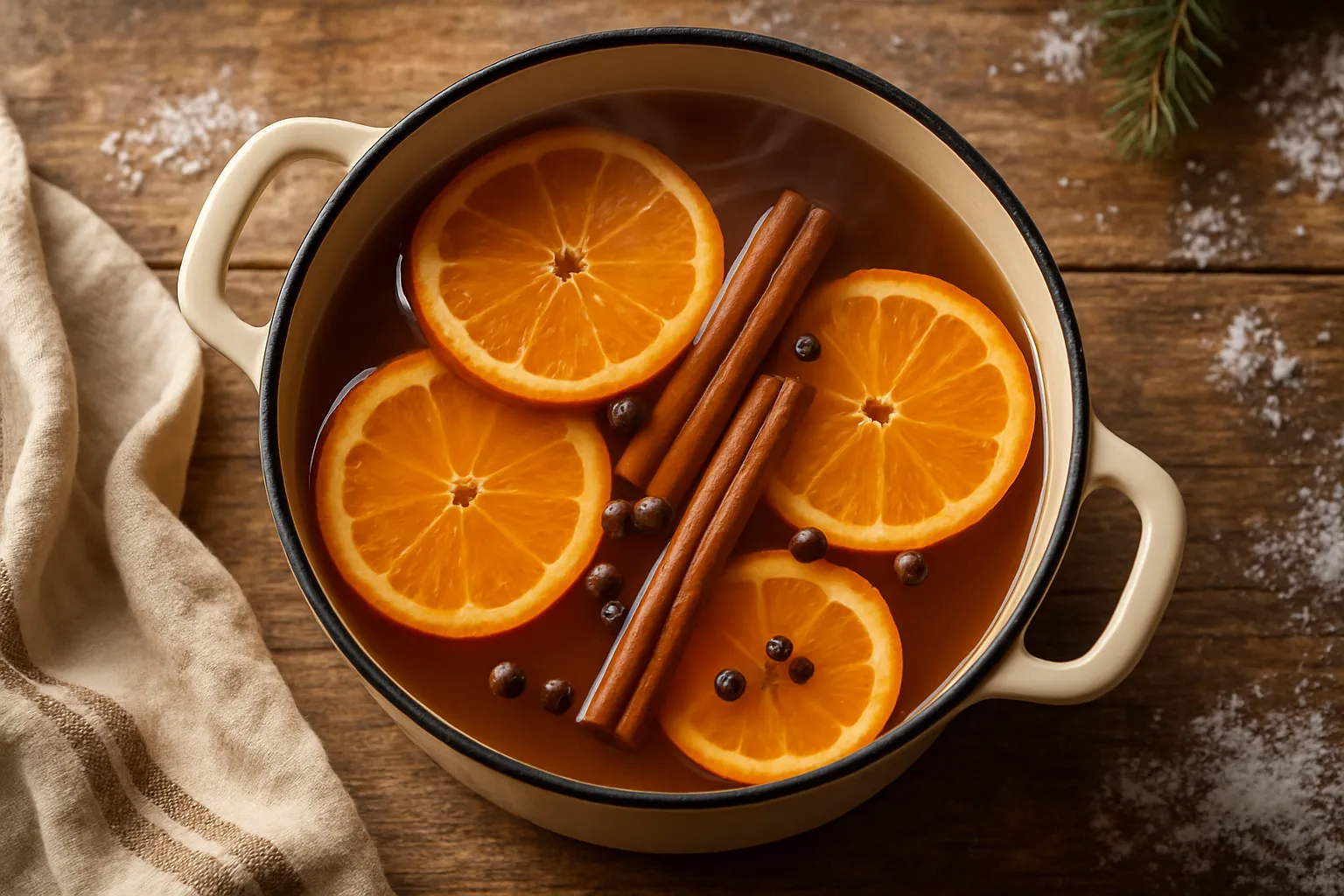
Savory ideas
-
Stews and chili (Cincinnati-style): Add 1–2 whole berries per cup of liquid at the start; pair with garlic, thyme, and a strip of orange zest for balance.
-
Marinades and brines: Simmer berries in the liquid to extract flavor, cool completely, then add protein. Layer with bay leaf, cracked pepper, and citrus for brightness.
-
Braises: For lamb, beef, or chicken, crack berries lightly before adding to boost extraction; remove once the sauce tastes warmly spiced but not clove-heavy.
Sweet bakes and preserves
-
Pies and cookies: Infuse dairy or syrup with whole berries for apple and berry pies, gingerbread, and molasses cookies; strain, then fold into doughs and fillings.
-
Compotes and jams: Simmer berries with fruit and sugar, tasting mid-cook; remove when the spice complements rather than dominates the fruit.
Drinks
-
Mulled cider/wine and hot toddies: Gently simmer 10–15 minutes with whole berries, cinnamon sticks, and citrus; hold warm off heat and remove berries to avoid bitterness.
-
Chai-style teas: Use 1–2 berries per cup with cinnamon, ginger, and cardamom. Simmer softly, then strain for a clean, cozy cup.
Raw Spice Bar recipe pairings
Use whole berries to infuse, then finish with a Raw Spice Bar blend for layered flavor:
-
Mediterranean Seasoning + allspice: Lamb braise with tomatoes and olives.
-
American BBQ + pinch of ground allspice: Ribs or smoked chicken with caramelized warmth.
-
Berbere + allspice: Hearty red lentil stew, deeply savory with chili‑warm spice.
-
Sazón + allspice: Puerto Rican‑inspired stews and beans with bright, herbaceous notes.
-
Thai Curry + allspice: Pumpkin or squash soup with coconut milk and gentle baking‑spice depth.
Tip: Tie berries in cheesecloth or use a tea infuser so removal is effortless - and your sauces, syrups, and drinks stay silky and clear.
Flavor Pairings and Menu Ideas (Ground Allspice + Raw Spice Bar Blends)
Proteins and mains
Use ground allspice to add warm, peppery-sweet depth to rubs and marinades. Per pound of protein, start here and adjust to taste:
-
Beef (steaks, short ribs, chili): 1/2 tsp ground allspice per lb in the rub. Pair with garlic, black pepper, and a Raw Spice Bar blend like American BBQ.
-
Pork (shoulder, chops): 1/4–1/2 tsp per lb. Add orange zest and thyme; finish with American BBQ or Sazón.
-
Lamb (leg, shoulder, chops): 1/2 tsp per lb. Add rosemary and lemon; finish with Mediterranean Seasoning.
-
Chicken (thighs, wings, whole bird): 1/4–3/8 tsp per lb. Combine with paprika and garlic; finish with Mediterranean Seasoning or American BBQ.
-
Duck: 1/2 tsp per lb. Add star anise and orange; finish with a light dusting of cinnamon or a touch of Chinese five-spice for an aromatic edge.
Rub base per pound: 1 tsp kosher salt + 1–2 tsp Raw Spice Bar blend + ground allspice (per guidelines above) + 1 tsp brown sugar (optional) + 1–2 tbsp oil. Marinate 30 minutes (or overnight) before cooking.
Vegetables and sides
Ground allspice loves earthy, sweet vegetables and bright tomato dishes.
-
Roasted squash or sweet potatoes: Toss with olive oil, salt, and 1/2 tsp ground allspice per lb; finish with lemon or pomegranate molasses.
-
Carrots and beets: Roast, then glaze in the pan with 1 tbsp butter, 1 tbsp maple syrup, 1 tbsp apple cider vinegar, and 1/2 tsp ground allspice per lb.
-
Cabbage (braised or roasted): Use 1/4–1/2 tsp ground allspice per lb with garlic and a splash of cider vinegar.
-
Tomato sides/sauces: Add 1/4 tsp ground allspice per 2 cups tomatoes to round acidity; pair with Tuscany blend or Mediterranean Seasoning.
Simple pan glaze formula (for 1 lb veg):
-
1 tbsp fat (butter or olive oil) + 1 tbsp sweet (honey or maple) + 1 tbsp acid (ACV or lemon) + 1/2 tsp ground allspice + 1/4–1/2 tsp salt. Reduce over medium heat 1–2 minutes, toss to coat.
Fruit-forward desserts
Ground allspice shines in fruit crumbles, pies, and compotes.
-
Fruit crisp (per 2 lb fruit): 1 tsp ground allspice + 1/2 tsp cinnamon + 1/3–1/2 cup sugar + 1 tbsp lemon juice + pinch of salt.
-
Apple or pear pie (per ~2.5 lb fruit): 1–1¼ tsp ground allspice + 1/2 tsp cinnamon + 1/4 tsp nutmeg + 1/2–3/4 cup sugar.
-
Berry compotes/jams (per 1 lb fruit): 1/4–1/2 tsp ground allspice + 1/4–1/3 cup sugar + lemon zest; simmer briefly to keep flavors bright.
-
Citrus: Sprinkle “spice sugar” (2 tbsp sugar + 1/4 tsp ground allspice + tiny pinch cinnamon) over broiled grapefruit or oranges.
Tip: If you need a substitute for allspice in desserts, use the 1/2 tsp cinnamon + 1/4 tsp nutmeg + 1/4 tsp cloves blend per 1 tsp allspice for reliable results.
Ready-to-use global blends from Raw Spice Bar
Quick wins with our fresh, 2 oz small‑batch blends (each with recipe cards and pairing tips):
-
American BBQ: Weeknight grilling and roasted chicken; add a pinch of ground allspice to deepen caramelized bark.
-
Mediterranean Seasoning: Sheet‑pan chicken with chickpeas and peppers; a dash of ground allspice rounds tomato-based sauces.
-
Berbere: Cozy stews and braises; a light pinch of allspice smooths edges without muting heat.
-
Sazón: Beans, rice, and chicken; a touch of ground allspice adds warm depth to sofrito and tomato bases.
-
Tuscany blend: Tomato sauces and braises; a small pinch of allspice creates old‑school Italian‑American warmth.
Menu builder
Mix and match one Raw Spice Bar blend with ground allspice to build a complete dinner:
-
American BBQ + allspice
-
Main: Allspice‑kissed BBQ chicken thighs
-
Side: Roasted sweet potatoes with maple–allspice glaze
-
Salad: Cabbage slaw with cider–allspice vinaigrette
-
Dessert: Apple crisp with 1 tsp ground allspice
-
-
Mediterranean Seasoning + allspice
-
Main: Sheet‑pan chicken, chickpeas, and peppers
-
Side: Roasted carrots with honey, lemon, and allspice
-
Grain: Herbed bulgur with raisins and a whisper of allspice
-
Dessert: Olive oil citrus slices dusted with allspice sugar
-
-
Berbere + allspice
-
Main: Red lentil stew (berbere base + pinch allspice)
-
Side: Charred cabbage with garlic and a touch of allspice
-
Bread: Flatbread brushed with berbere oil
-
Dessert: Spiced pears simmered with allspice
-
-
Sazón + allspice
-
Main: Arroz con pollo with a pinch of allspice in the rice
-
Side: Stewed beans with bay and allspice
-
Salad: Tomato–avocado salad with lime
-
Dessert: Pineapple with lime–allspice sugar
-
-
Tuscany blend + allspice
-
Main: Tomato‑braised meatballs with a pinch of allspice
-
Side: Creamy polenta with herbs
-
Veg: Roasted fennel with lemon
-
Dessert: Rustic apple crostata with ground allspice
-
With Raw Spice Bar’s spice subscription and past-month blends, it’s easy to keep ground allspice, whole allspice berries, and global seasonings on hand - so you can build vibrant, allspice‑forward meals any night of the week.
Substitution Troubleshooting: Fixes, Tasting Tips, and Common Pitfalls
If you used too much clove
Cloves are potent; a heavy hand can make dishes bitter, medicinal, or numbing. Use the fixes below based on the dish type:
-
Sauces and stews
-
Dilute: Add unsalted stock or water to reduce clove concentration, then re-season salt and acid.
-
Balance bitterness: Stir in a touch of sweetness (1–2 tsp honey, maple, or brown sugar per quart).
-
Add acidity: 1–2 tsp apple cider vinegar or lemon juice brightens and cuts harshness.
-
Add fat: A knob of butter, splash of cream/coconut milk, or olive oil softens sharp edges.
-
Cocoa trick (for chili/tomato stews): 1–2 tsp unsweetened cocoa or a splash of brewed coffee adds depth that counterbalances clove.
-
-
Baked goods
-
Offset in the batter: Fold in more batter base (plain oats, flour, or mashed fruit) if feasible; extend bake time as needed.
-
Sweetness and dairy: A quick glaze (powdered sugar + milk) or serving with whipped cream/ice cream can temper intensity.
-
Next time: Use the 1/2 tsp cinnamon + 1/4 tsp nutmeg + 1/4 tsp cloves ratio per 1 tsp allspice - and go light on cloves first, tasting the raw dough if safe.
-
If cinnamon-only tastes flat
Cinnamon alone lacks the peppery clove bite and nutmeg’s roundness found in allspice.
-
Add gentle heat: Pinch of black pepper (or white pepper) restores mild warmth.
-
Add ginger: 1/8–1/4 tsp ground ginger per teaspoon cinnamon perks up savory and sweet dishes.
-
Micro-adjust nutmeg or mace: A scant 1/8 tsp adds creamy, floral complexity without turning clove-heavy.
-
Citrus lift: A little zest (orange or lemon) in marinades, stews, or batters brightens a cinnamon-forward profile.
For pickles and brines
-
Prefer whole allspice berries: They infuse clean, steady spice without clouding liquid or turning harsh.
-
Avoid ground allspice in brines: It over-extracts, goes muddy, and is hard to remove.
-
Use sachets/infusers: Cheesecloth sachet or tea infuser makes removal foolproof before bottling.
-
Timing: Simmer to infuse 20–40 minutes, strain, cool completely, then proceed. Taste along the way to avoid overspicing.
Baking accuracy
-
Weigh whenever possible: Small differences in ground allspice add up. Target 2–2.5 g per teaspoon as a reference and adjust to taste.
-
Sift for even distribution: Whisk or sift ground allspice with flour/sugar so no pockets of spice form.
-
Conservative first: Especially in cakes, custards, and creams - start lower, then finish with a light dusting after baking if needed.
-
Blooming option: For cookies and quick breads, briefly bloom spices in melted butter or warm oil to unlock aroma before mixing.
Taste-as-you-go framework
Use this simple loop to keep your substitute for allspice balanced in any recipe:
-
Stage your seasoning: Add only 70–80% of your planned spices up front (whole allspice berries for long simmers; ground allspice for quick cooks).
-
Mid-cook check: Evaluate aroma first (is it clove-dominant or cinnamon-sweet?), then taste for sweetness, heat, and roundness.
-
Adjust with intent:
-
Too sharp/bitter: Add fat + tiny sweetness + acid.
-
Too sweet/flat: Add a pinch of pepper or ginger; a touch of nutmeg/mace for roundness.
-
Too clove-forward: Dilute and rebalance with cinnamon and a small sweet-acid combo.
-
-
Finish strong: Add the final 20–30% seasoning at the end to lift aroma without over-extracting.
-
Keep notes: Write ratios, steep times for whole allspice berries, and final tweaks so your next batch is dialed in.
Raw Spice Bar tip: Freshness matters. Our small-batch ground allspice and whole allspice berries keep flavors lively and predictable - so your allspice recipes and swaps land exactly where you want them. Pair with our blends (American BBQ, Mediterranean Seasoning, Berbere, Sazón, Tuscany) for fast, nuanced results.
Freshness, Storage, and Sourcing (Plus Smart Shopping with Raw Spice Bar)
How to store
-
Use airtight glass containers with tight-fitting lids; avoid plastic that can absorb and pass along odors.
-
Keep in a cool, dark place away from heat, light, and humidity (no above‑stove cabinets).
-
Label jars with the spice name and the date you opened or ground them.
-
Store whole allspice berries and grind only what you need; fresh‑ground allspice is noticeably brighter in allspice recipes and allspice seasoning blends.
Shelf-life guidance
-
Whole allspice berries: Peak aroma for about 18–24 months when stored well. They won’t “go bad,” but they’ll lose punch over time.
-
Ground allspice: Best within 6–12 months after opening. Potency drops faster due to larger exposed surface area.
-
Signs of staleness: Faded color, weak aroma (little to no cinnamon‑clove‑nutmeg nose), and a flat, dusty taste in finished dishes.
-
Quick potency test: Rub a berry or a pinch of ground allspice between your fingers - the scent should bloom immediately. If not, it’s time to refresh.
Quality cues when buying
-
Whole berries: Look for evenly sized, unbroken, deep brown berries with a firm, dry feel. When lightly crushed, they should release a warm, peppery‑sweet aroma.
-
Ground allspice: Choose freshly packed, mahogany‑brown powder with a vivid smell - avoid pale, chalky, or dusty blends.
-
Sizing and packaging: Smaller, fresher packages (like 2 oz) help you use spices at peak flavor before they fade.
-
Provenance and handling: Opt for small‑batch, well‑sealed jars from a trusted source that values turnover and clean ingredients.
Why Raw Spice Bar
-
Fresh small‑batch advantage: We pack in 2 oz sizes to keep spices vibrant - perfect for ground allspice and whole allspice berries you’ll actually finish at peak flavor.
-
Globally inspired blends: Thoughtfully composed seasonings (American BBQ, Mediterranean, Berbere, Sazón, Tuscany, Thai Curry, and more) that mirror classic profiles and work across proteins and vegetables.
-
Clean ingredients: No preservatives or unnecessary additives - just high‑quality allspice ingredients and spices.
-
Confidence built-in: Each blend includes a recipe card (often with omnivore/herbivore options), flavor notes, and pairing tips to reduce guesswork and save time.
Gifting and discovery
-
Flexible spice subscription: Explore a rotating lineup of global blends and keep your pantry fresh without overbuying.
-
Curated gift sets: Share the adventure with collections like Global Cuisine, Backyard BBQ, or Perfect Pantry (22 amazing spices) for cooks who love to experiment.
-
Smart shopping tip: Pair a jar of whole allspice berries with a favorite Raw Spice Bar blend and a recipe card - instant inspiration for allspice recipes from stews and braises to baked desserts.
Wrap-Up: Start Cooking with Allspice (And Make It Easy with Raw Spice Bar)
Key takeaways
-
For a reliable substitute for allspice, use the 1/2–1/4–1/4 blend: 1/2 tsp cinnamon + 1/4 tsp nutmeg + 1/4 tsp cloves per 1 tsp allspice - great for both sweet and savory dishes.
-
Choose whole allspice berries for long simmers, pickling, and mulling; they infuse cleanly and are easy to remove. Use ground allspice when you need even distribution in rubs, batters, and sauces.
-
Grind allspice berries fresh for peak aroma, and start conservative - then taste and adjust for balance.
Next steps
-
Stock both forms: whole allspice berries for steeps and ground allspice for quick blends and bakes.
-
Pick two versatile Raw Spice Bar blends to pair with allspice (try American BBQ and Mediterranean Seasoning - or go bold with Berbere or Sazón).
-
Cook one allspice recipe this week: a simmered stew, a cozy bake (apple crisp or gingerbread), or a mulled drink for instant cold‑weather comfort.
Call to action
Explore Raw Spice Bar’s small-batch 2 oz blends, recipe-card guidance, and flexible spice subscription to bring authentic global flavors - plus perfectly fresh allspice - to your kitchen fast. Build your pantry, discover new allspice recipes, and turn weeknight cooking into something unforgettable.


